Articles from the Faculty
Here you'll find a repurposed resource hub of published works from the Faculty of Mid-America - from segments of podcasts, portions of journal articles, published books, Messenger pieces, and more.

Feminism promised women liberation, but what if it's the thing that's actually breaking them?
Christians have outlasted the Roman Empire, the culture wars, and every "most important election in history." So why are we acting like this time is different?
The church that waits until election season to address politics will always be playing catch-up. Here's what proactive political discipleship looks like, and why it matters more than most pastors realize.
Most Christians think political exhaustion is a media problem. Dr. Alan Strange thinks it's a theology problem, and the cure isn't less news, it's a better eschatology.
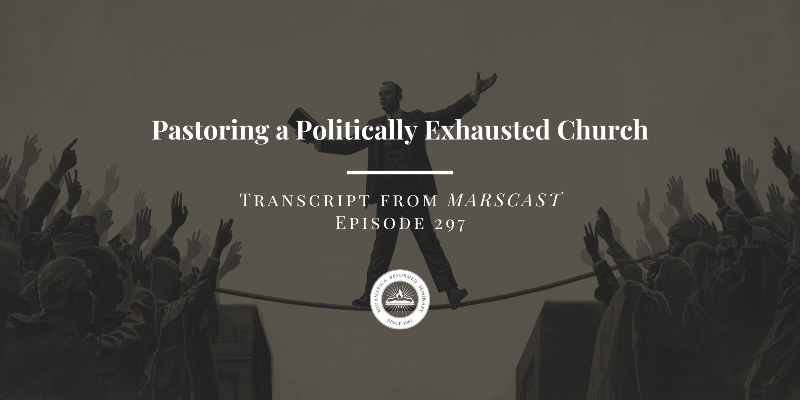
Churches were never meant to be political parties. But somewhere along the way, voting records became a test of gospel faithfulness, and Sunday mornings turned into ideological battlegrounds. Dr. Alan Strange joins Marscast to talk about what's really fracturing congregations, and what the Reformed tradition has to say about it.
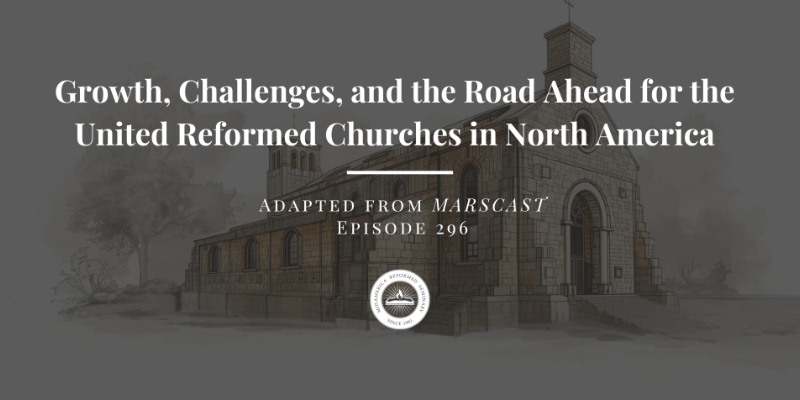
The URCNA faces questions that will define its future: Can it plant churches beyond its ethnic roots? Will younger generations value hard-won confessional commitments? And what does missions look like for a federation that prizes local church autonomy?

SEMINARY HOURS
Office Hours
Mon-Thu: 7:00 am - 4:30 pm
Fri-Sun: Closed
Library Hours
Mon-Thu: 7:00 am - 4:30 pm
Fri-Sun: Closed
Mon-Thu: 7:00 am - 4:30 pm
Fri-Sun: Closed
Library Hours
Mon-Thu: 7:00 am - 4:30 pm
Fri-Sun: Closed


 229 Seminary Dr. Dyer, IN 46311